
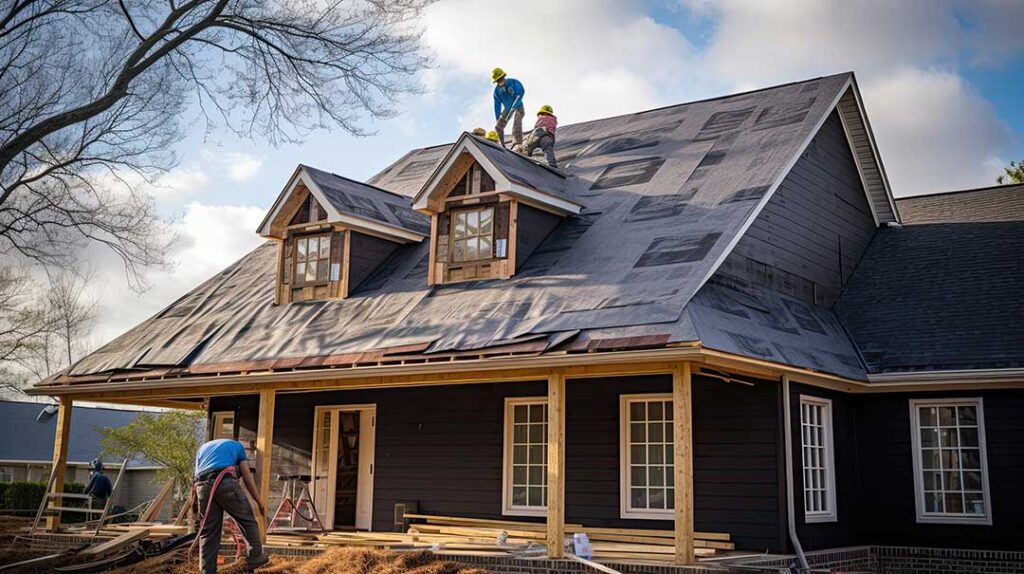
What Steps Make Up the Roofing Process?
The roofing process involves several key stages, all designed to protect and maintain homes in Fredonia, NY's climate. For most area households, roofing work, whether repair or replacement, typically follows a sequence: inspection, planning, material delivery, removal of old roofing, installation of new materials, and cleanup. Each step serves a purpose, from ensuring compliance with local regulations to addressing local weather conditions.
Small repairs may not require every phase, but complete roof replacements nearly always follow this general order. Understanding the process helps households anticipate what will happen and how long work might disrupt daily routines.
Why Does the Roofing Process Matter for Homes in Fredonia, NY?
A sound roofing process ensures that homes are protected through the seasonal swings of snow, rain, wind, and sun typical of the area. Because Fredonia sees heavy snow loads and freeze-thaw cycles, skipping or rushing through steps can lead to leaks or damage. Local housing often features sloped roofs tailored to northern weather, meaning attention to detail is crucial from removal through installation to prevent issues like ice dams or blown-off shingles.
Neglecting even seemingly small steps, such as checking for ventilation issues or underlayment damage, increases the risk of needing repairs sooner than expected.
How Is a Roof Inspection Done?
A roof inspection is usually the first step. It involves examining the surface, gutters, flashing, attic space, and exterior for visible signs of wear—such as cracked or missing shingles, soft spots, algae staining, or water stains inside the home. In Fredonia, inspectors also check for problems common locally, like shingle lifting from lake-effect winds or ice dam remnants.
An accurate inspection can reveal:
- Water damage to the decking beneath shingles
- Clogged gutters leading to trapped moisture
- Signs of previous improper installations
Area residents sometimes overlook attic ventilation, which is significant for preventing condensation and ice dam formation during the winter.
What Needs to Be Prepared Before Work Begins?
Planning typically includes:
- Securing necessary approvals or permits from municipal authorities, particularly for significant roof alterations or material changes
- Arranging access spaces for materials and worker vehicles
- Taking measures to protect landscaping and property—placing tarps, moving furniture, and covering garden beds
In neighborhoods where homes are close together, arrangements may be made to minimize impact on nearby properties. Proper prep helps streamline the process and reduces accidental damage or delays.
What Happens During Roof Tear-Off?
Removing old roofing reveals issues not visible from the ground, such as rotting plywood or hidden leaks. In Fredonia, crews may encounter multiple layers of older shingles, as re-roofing without full tear-off was once common but is less advisable now due to local building guidelines.
Roof tear-off typically involves:
- Removing all existing shingles, underlayment, and flashing
- Inspecting the deck below for rot, mold, or soft spots
- Repairing or reinforcing damaged areas before proceeding
Handling debris is an essential concern; bins or trucks collect waste quickly to limit mess and disruption.
How Are New Roofing Materials Installed?
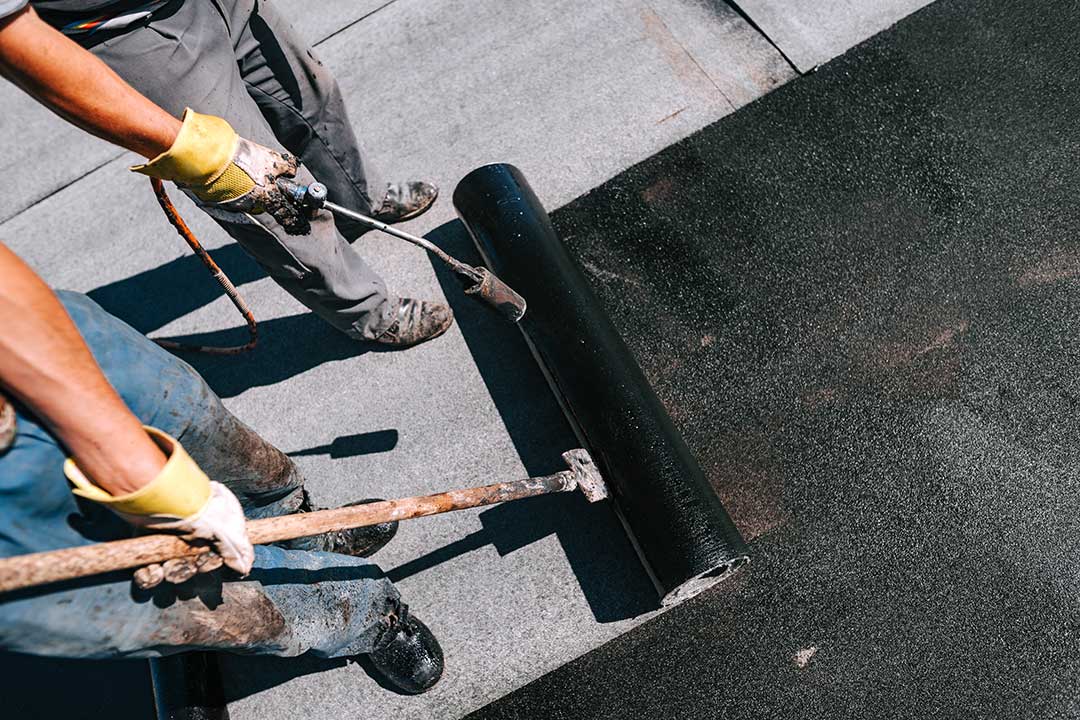
Once the surface is prepped, new materials go on in layers:
1. Ice and water barrier—a special underlayment applied in key areas such as eaves and valleys to address thaw cycles common in the community
2. Synthetic or felt underlayment for added water protection across the entire roof deck
3. New flashing around chimneys, vents, and valleys to prevent leaks
4. Shingles, tiles, or metal panels installed according to their design and local weather considerations
Proper ventilation is also incorporated, as the climate in Fredonia demands airflow to limit condensation and ice damming.
Common misconceptions include thinking that replacing individual shingles is always enough, or that visible surfaces alone need inspection. In most cases, a whole-system approach is essential—especially on aging homes in the area.
How Long Does the Process Take, and What Can Homeowners Expect?
A straightforward roof replacement for most family homes in the area typically takes 1-3 days, though larger or more complicated structures can take longer. Weather can cause delays; sudden rain or high winds might push work back, and winter work sometimes requires extra time for materials to settle.
The process is noisy, and homes may experience vibrations or dust. Residents are often advised to secure loose items on shelves and inform anyone sensitive to noise, like pets or children. Parking arrangements and access to driveways may also be affected during the work period.
Are There Local Rules or Requirements to Be Aware Of?
Roofing in Fredonia must comply with local codes and ordinances, which may dictate:
- The type of materials that can be used for visible portions of a roof
- Requirements for ice and water shielding in key structural areas
- Limits on how many layers of roofing may be present
Some neighborhoods or historic districts have additional regulations regarding roof color, pitch, or style. Residents should check with municipal authorities before proceeding with major roofing changes, especially if the home is older or part of a designated area.
What Maintenance Steps Help a Roof Last Longer After a New Installation?
Local residents can extend roof life through habits like:
- Clearing gutters and downspouts, especially after autumn leaf falls or spring storms
- Regularly checking attic ventilation to avoid condensation issues
- Removing snow accumulation from eaves to lower the risk of ice dams, within safe limits
An annual visual check, particularly after severe weather, catches small issues early before they lead to leaks or structural damage.
