
How Do Sports Balls End Up on Local Roofs?
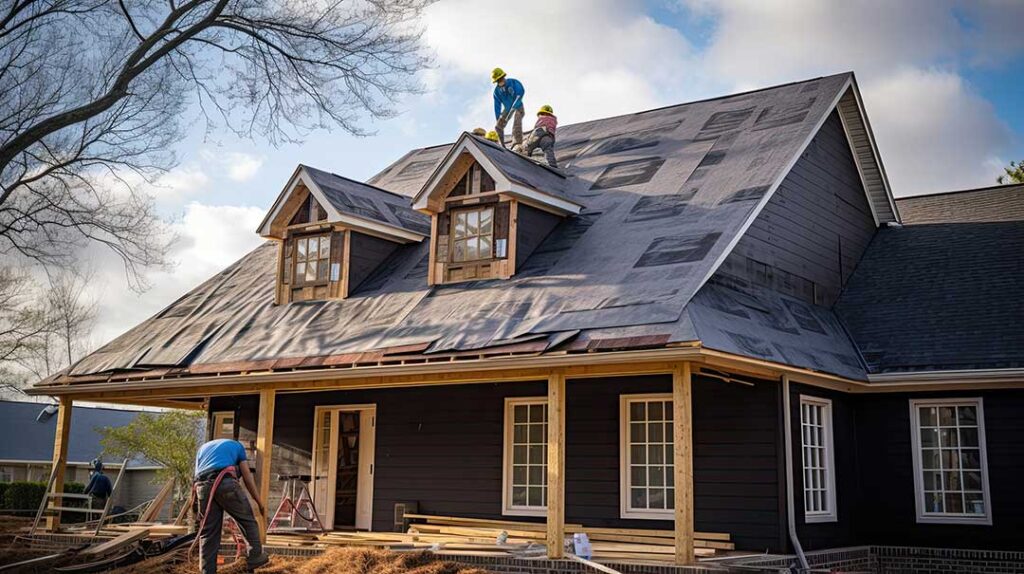
Sports balls regularly end up on rooftops in Fredonia, NY, especially in neighborhoods with nearby parks, schools, or active families. Resilient soccer balls, basketballs, footballs, and baseballs can be accidentally kicked, thrown, or hit onto residential buildings during routine play or competitive sports. In areas where yards are close together and homes often have steep or low-sloped roofs, these incidents are quite common.
Children retrieving balls with improvised tools or climbing onto the roof can add further risks if not careful. This highlights why understanding the actual impacts of sports equipment on roofs is useful for homeowners in the community.
Can a Sports Ball Actually Damage a Roof Structure?
Yes, repeated impacts or heavy sports balls can cause damage over time. A single lightweight foam ball rarely does harm, but hard baseballs or soccer balls kicked or hit with force may create trouble:
- Shingles and tiles can crack, chip, or be dislodged by sharp impacts—especially asphalt shingles common in the city or clay tiles found on some older homes.
- Roof vents, flashing, and gutters are vulnerable to dents or bending.
- Wood shakes and slate sections, less common but present in some historic areas, may split after multiple hits.
Less visible issues, such as broken seals around flashing or cracked vent covers, can allow water to intrude over time, creating bigger repair needs.
What Happens If Balls Stay on the Roof?
If a sports ball lands on your roof and remains there for days or weeks, several specific problems may develop:
- Water pooling: If a ball wedges in a valley or near a gutter, it can block proper drainage and contribute to water buildup, promoting leaks.
- Shingle abrasion: Wind or repeated rain can cause a ball to rub against the roofing material, gradually wearing away protective granules or causing “bald spots.”
- Fungus or moss growth: A trapped, damp object on shaded roof areas can create microclimates favorable to moss growth—more likely in the humid spring and fall typical of the city.
Are There Special Risks to Roofs During the Seasons?
Climate in Fredonia means that sports balls can cause unique seasonal risks:
- Winter: Hard, frozen balls can strike more forcefully if they bounce off icy driveways. Balls left on snowy roofs may contribute to ice dam formation by blocking meltwater paths.
- Spring/Fall: Wet conditions and falling leaves already challenge local gutters. A lodged ball can significantly worsen clogs, especially during autumn leaf drops.
- Summer: Intense sun can make roofing materials more brittle. A forcefully hit or thrown ball may chip shingles that would otherwise flex in milder conditions.
Could Sports Ball Impacts Affect Gutters or Downspouts?
Absolutely. Gutters and downspouts are at risk when balls bounce or roll downward from the roof edge. Some impacts to watch for:
- Dented or bent sections where a heavy ball strikes.
- Dislodged fasteners that may loosen gutters, especially on older installations.
- Hidden clogs forming when balls or fragments wedge inside a downspout, causing overflow during storms.
Many residents notice water spilling over edges and assume it’s just leaves, missing a lodged toy or ball entirely.
How Can You Identify Damage Caused by Sports Balls?
Look for specific signs:
- Visible dents or cracks in shingles, tiles, or flashing.
- Missing or loose roofing pieces, often seen after repeated impacts near roof edges.
- Consistent leaks or water spots inside the attic or top floor after a ball retrieval incident.
- Blocked gutters or water overflowing where a ball recently landed.
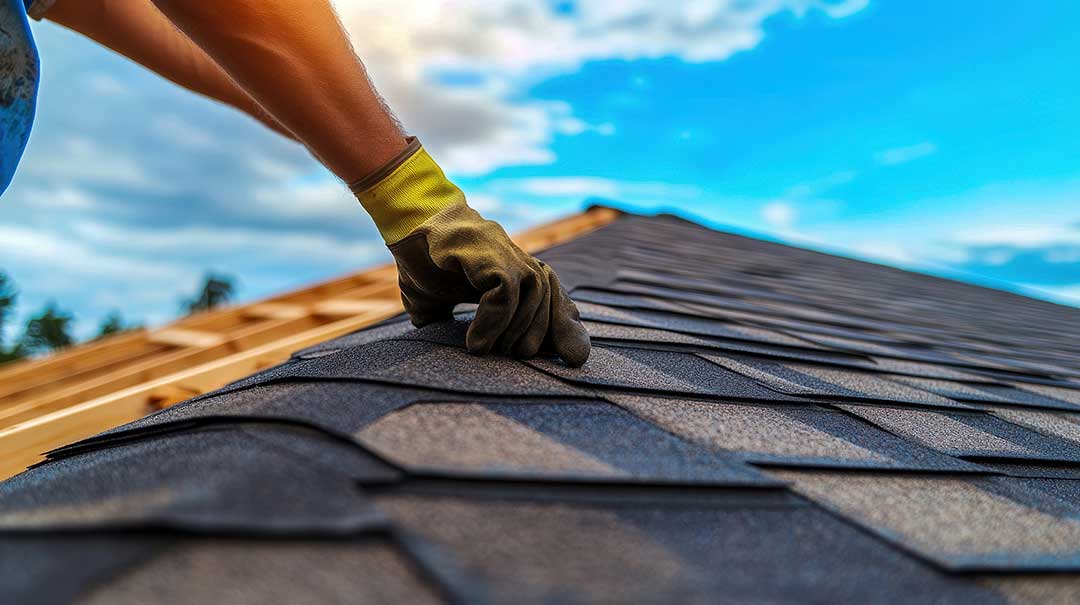
Periodic visual checks, especially after heavy neighborhood play, will help catch problems before they escalate.
Are Some Roofing Materials More Vulnerable Than Others?
Different materials react differently to repeated ball impacts:
- Asphalt shingles (very common in the area) are moderately resistant but can lose granules or crack with hard hits.
- Clay or concrete tiles may chip or shatter on impact.
- Metal roofing can dent but rarely punctures unless severely hit.
- Wood shakes may splinter over time, especially if already weathered.
Knowing your own roof type can help you assess whether repeated sports incidents are likely to pose a real risk.
Should You Be Concerned About Climbing Up to Retrieve Balls?
It’s not recommended for most residents to climb directly onto roofs, especially if inexperienced or if the roof is wet, icy, or steep. Beyond fall risks, walking on shingles can cause more damage than the ball itself—potentially loosening granules or cracking tiles invisibly.
Whenever possible, use tools designed for safe retrieval from the ground, such as telescopic poles, or wait for safe conditions. If a ball is lodged near power lines or chimney structures, prioritize safety and take a cautious approach.
How Can Households Minimize Future Roof Damage from Sports Balls?
Some practical steps can reduce the frequency or impact of these incidents around the community:
- Designate sports play areas away from the house where possible.
- For smaller yards, consider soft-sided “barrier” nets or landscaping that helps keep balls contained.
- Teach children about safe play boundaries and how to alert adults if a ball becomes stuck.
- Make roof checks part of seasonal maintenance, especially after periods of frequent outdoor activity.
Small habits like these can limit risks while still encouraging healthy outdoor play.
