
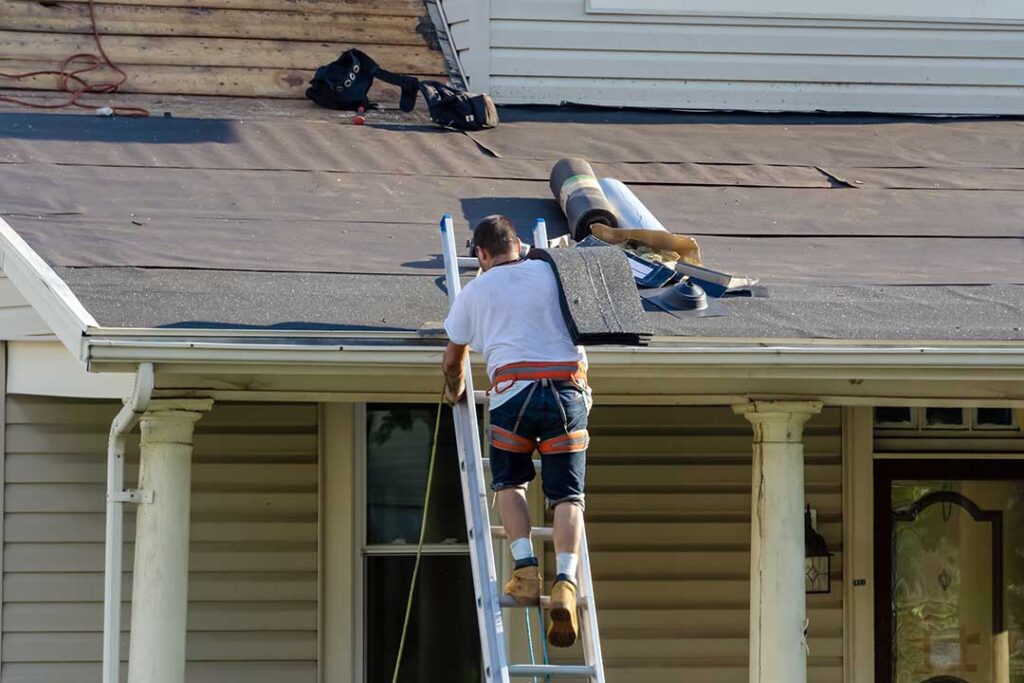
Shade trees can help a roof last longer by reducing summer heat, but they can also shorten roof life when branches, leaves, moisture, and roots are not managed. For households in Fredonia, NY, the overall effect depends on the tree’s distance from the roof, canopy density, species, and seasonal maintenance.
Do shade trees reduce roof temperatures?
Yes. Tree shade can lower the amount of direct sunlight reaching roofing materials, especially on south- and west-facing roof surfaces. During summer, this may reduce heat buildup in the attic and slow the aging caused by repeated heating and cooling.
Asphalt shingles expand slightly when heated and contract as temperatures fall. Over many seasons, that movement can contribute to gradual loss of flexibility, surface granule wear, and deterioration of sealant strips. Shade does not stop this process, but it can reduce the intensity of daily heat exposure.
The benefit is usually greatest when:
- The tree shades part of the roof during the hottest part of the day.
- Branches remain far enough away that they do not scrape or drop heavy debris.
- The roof still receives enough sunlight and airflow to dry after rain, dew, and snowmelt.
- The attic has adequate insulation and ventilation.
Shade should be viewed as one factor in roof performance, not as a substitute for proper attic ventilation or routine maintenance.
Can too much shade damage roofing?
Yes. Dense, continuous shade can keep roof surfaces damp longer after rain, spring thaw, and overnight condensation. In a climate with wet seasons, freezing temperatures, and frequent temperature changes, slow drying can encourage moss, algae, and lichen growth.
Moss is more than a cosmetic concern. It can lift or separate shingle edges, retain moisture against the roof surface, and make it easier for wind to catch weakened materials. Algae generally causes staining rather than immediate structural damage, but dark growth can hold moisture and may indicate that a roof surface is not drying efficiently.
The risk is higher on roof sections that are:
- Heavily shaded throughout the day
- Covered by low-hanging branches
- Facing north or otherwise receiving limited direct sun
- Surrounded by thick ground vegetation that restricts air movement
- Already affected by worn shingles, clogged drainage, or poor ventilation
A shaded roof is not automatically a failing roof. The key question is whether it can dry between wet weather events.
How do branches affect shingles?
Branches can damage roofing materials in several ways. Wind movement may cause small limbs to rub against shingles, gradually wearing away protective granules. Larger branches can strike the roof during storms, while brittle twigs may puncture or loosen surface materials.
Even branches that do not touch the roof can create problems by dropping:
- Leaves and seed pods
- Needles and small twigs
- Acorns or other hard fruit
- Snow or ice that accumulates in the canopy
Debris often collects in valleys, behind roof projections, and near chimney or wall intersections. These areas are designed to move water away, so blockage can cause water to back up beneath roofing materials or overflow into wall and attic areas.
Trees near the roof also deserve attention after heavy wind, wet snow, or ice. A branch that appears secure in summer may become hazardous after its weight increases or the ground softens around the root system.
Do leaves and needles cause roof leaks?
Leaves and needles do not usually create a leak by themselves, but they can contribute to conditions that do. Piles of organic debris hold moisture against the roof and may block drainage paths. As the material breaks down, it can form a compact layer that prevents water from flowing freely.
Gutters are especially vulnerable. A nearby tree may fill gutters faster than expected during autumn, and blocked downspouts can cause water to spill over the edge of the roof. Repeated overflow may stain siding, saturate trim, erode soil near the foundation, or contribute to deterioration along the roof edge.
After leaf fall, inspection is useful even if the roof appears clean from the ground. Debris may be hidden in valleys or behind rooftop equipment. In winter, clogged gutters can also worsen ice buildup along the eaves when melting snow cannot drain properly.
How far should trees be from a roof?
There is no single distance that works for every tree. A practical guideline is to keep mature branches from touching the roof and to allow enough space for normal wind movement. The tree’s expected height, canopy spread, growth rate, and condition matter more than its current size.
Small ornamental trees may remain safely positioned for years, while fast-growing trees can eventually extend over a roof even if they were planted a reasonable distance away. Trees should be evaluated based on their mature shape rather than their appearance when newly planted.
Pay particular attention to:
- Branches resting on or rubbing against shingles
- Limbs that extend over roof valleys
- Dead, cracked, or weak branches above the roof
- Trunks leaning toward the structure
- Roots affecting nearby soil, drainage, or hard surfaces
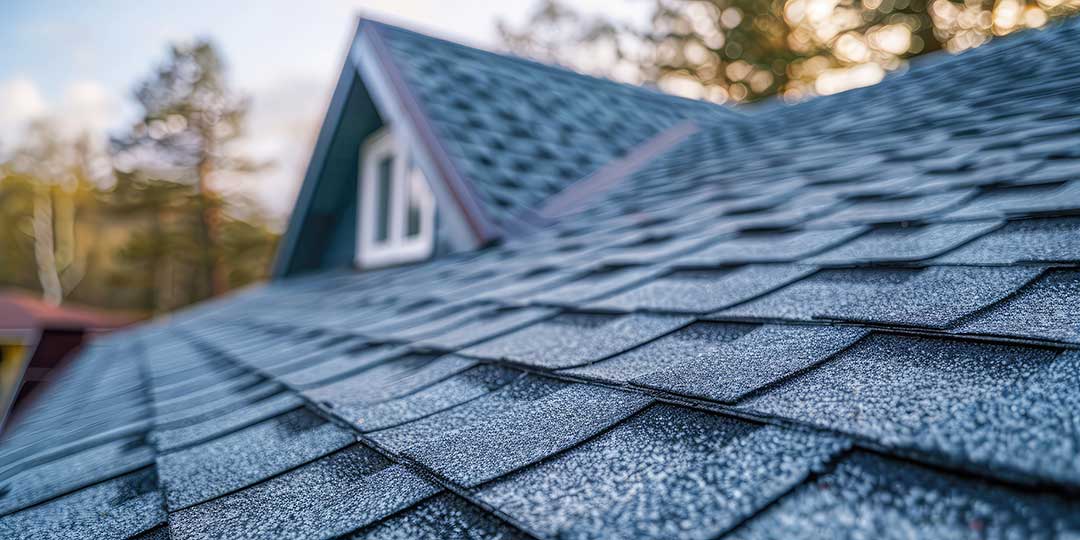
Pruning should not be performed from a roof or ladder when branches are large, unstable, near electrical lines, or difficult to control. Hazardous tree work can create more risk than the original roofing concern.
Does shade affect metal, rubber, or other roofing materials?
Shade affects different roofing materials in different ways, but moisture and debris remain the main concerns. Metal roofs generally tolerate sunlight well and may benefit from reduced heat exposure, yet trapped leaves and persistent dampness can contribute to surface staining or corrosion where protective coatings have been damaged.
Low-slope roofs and membrane roofing can be especially sensitive to standing water and blocked drains. A nearby tree may deposit enough debris to interfere with drainage, even if the roof has no visible punctures.
Wood roofing materials can dry more slowly in heavy shade and may be more vulnerable to decay if moisture remains trapped. The specific roofing material, its age, installation quality, and drainage design all influence how much tree shade matters.
What should homeowners inspect through the year?
A seasonal check is usually more useful than waiting for visible leakage. In spring, look for damage from winter snow, ice, and fallen limbs. During summer, observe whether branches are contacting the roof or restricting airflow. In autumn, check valleys and gutters after leaves begin to fall.
Useful warning signs include:
- Shingles with missing or lifted edges
- Excessive granules in gutters or downspouts
- Moss or organic growth spreading across shaded areas
- Water stains in the attic or on upper-floor ceilings
- Sagging gutters or overflowing during rain
- Daylight visible around roof penetrations
- Broken limbs resting on the roof
- Damp insulation or musty attic odors
Photographs taken from the ground can help track whether branches are getting closer to the roof over time. Attic inspections are also valuable because roof problems may appear indoors before they are obvious outside.
Can trees still be beneficial near a home?
Yes. Properly placed trees can provide summer shade, reduce heat around the building, moderate wind, and improve the comfort of outdoor areas. They may also reduce the amount of direct solar exposure on walls, windows, and roofing materials.
The goal is not to remove every tree near a house. It is to maintain a reasonable balance between shade and drying. Trees should have room to mature without rubbing against the roof, blocking drainage, or creating a persistent layer of damp debris.
For homes in Fredonia, seasonal storms and winter weather make that balance particularly important. A healthy tree with adequate clearance may support roof longevity, while an overcrowded canopy can turn routine moisture and debris into repeated roofing problems.
