

How Can a Leaking Roof Affect My Home’s Structure?
A roof leak is more than just an inconvenience—it can silently threaten the stability and longevity of your home’s structure. In a community like Fredonia, NY, where heavy snow, rain, and freeze-thaw cycles are common, understanding these risks is especially important. Even small leaks, left unaddressed, can set off a chain of damage that affects multiple parts of a house, sometimes in ways that aren’t immediately obvious.
What Happens When Water Seeps into Structural Materials?
Water intrusion from a leaking roof can weaken wood framing, deteriorate insulation, and cause drywall to crumble.
- Wood Rot: Joists, rafters, and beams are typically made from wood. Constant leaks keep these materials damp, encouraging fungi that cause wood to soften, darken, and lose strength. Over time, this can undermine floors, ceilings, and even the roof line.
- Insulation Damage: Attic insulation, particularly fiberglass or cellulose, loses effectiveness when wet. Saturated insulation clumps together, fails to insulate, and can trap moisture against wooden supports, accelerating rot.
- Ceiling and Wall Issues: Drywall and plaster are very susceptible to water damage. Leaks can result in staining, bubbling, and sagging. In severe cases, sections of ceiling or wall may collapse.
These forms of structural compromise can go unnoticed at first, especially since leaks often start small or only appear during certain weather events typical of the Fredonia area.
Can a Leaky Roof Lead to Mold or Mildew Problems?
A leak almost always increases the risk of indoor mold and mildew, which thrive in humid and poorly ventilated spaces.
Within days of a leak, moisture can settle into attic spaces or inside wall cavities—settings commonly found in older or tightly insulated local homes. Visible mold may appear on ceilings or walls, but often, it stays hidden for months. Persistent mold growth not only weakens organic building materials but may also affect air quality and potentially complicate respiratory conditions for household members.
How Does Water Travel Beyond the Initial Leak?
Gravity and building design guide roof leaks through paths of least resistance, sometimes far from the original hole.
In Fredonia homes with sloped roofs and attic spaces, leaked water can:
- Run along rafters and framing, soaking insulation and wooden supports
- Travel behind walls, pooling near electrical wiring or outlets
- Drip into lighting fixtures or ceiling fans, raising the risk of electrical short circuits
Because water doesn’t always drip directly below a damaged shingle, residents may see signs of moisture far from the actual roof defect. This can make detection and repair more challenging for the average homeowner.
Could Roof Leaks Affect the Foundation Over Time?
While it may seem unrelated, consistent roof leaks can affect a home’s foundation in several ways.
Water accumulating in wall cavities or beneath floors may eventually seep downward to the sill plate and foundation. In Fredonia’s variable climate, this raises concerns such as:
- Basement Dampness: Repeated moisture can find its way to the basement, increasing humidity or causing visible puddles.
- Frost Heave Risk: If water infiltrates the soil around the foundation, freezing temperatures in winter can expand this water, putting added pressure on basement walls and footings.
- Cracked Walls or Uneven Settling: Over years, cycles of wetting and drying around the foundation can contribute to small wall cracks or, in rare cases, uneven settling.
Can a Small Leak Be Ignored Until Worse Weather?
A common misconception is that minor leaks are only a concern during major storms. In reality, even a slow drip creates problems behind the scenes year-round.
Some factors to keep in mind in the Fredonia area:
- Snow Melt: Snow sitting on the roof can melt and re-freeze, especially at the eaves. Ice dams trap water on the roof, forcing it under shingles even after the initial snowfall ends.
- Seasonal Rains: Spring and fall can bring lengthy periods of dampness, allowing even small leaks to cause mold or staining.
- Intermittent Leaks: Some leaks only appear during wind-driven rain, meaning they may be missed during drier months—but damage progresses regardless.
How Do Local Roof Construction Types Influence Leak Impact?
The construction styles and materials common in Fredonia play a role in how roof leaks spread and how they can affect underlying structures.
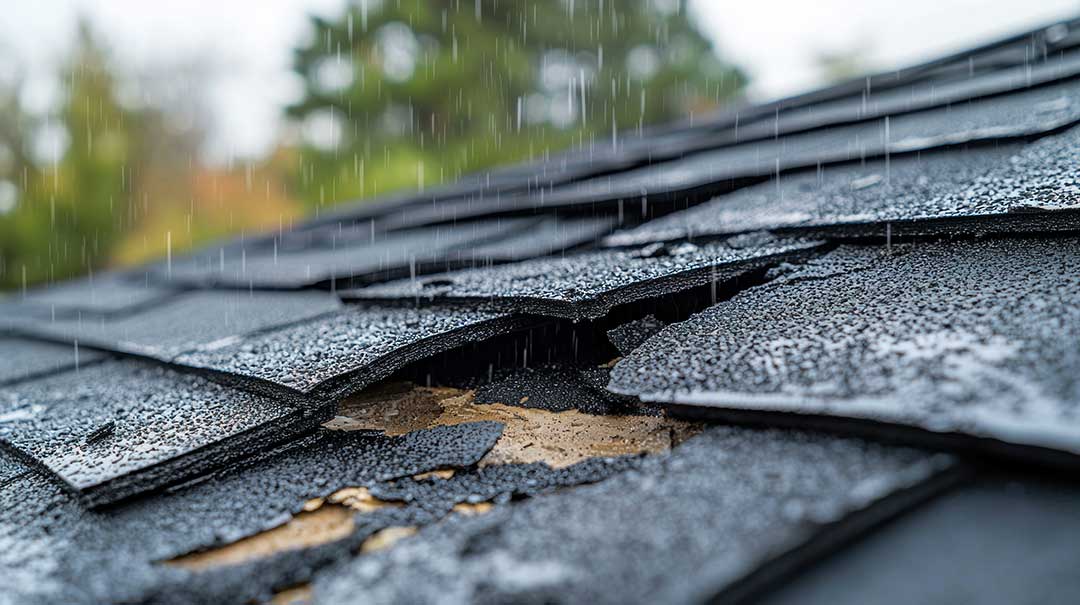
- Many local homes use asphalt shingles on pitched roofs, which can mask leaks until water stains appear inside.
- Older homes may have original wood framing that is more susceptible to rot compared to modern treated lumber.
- Attic spaces, common in area residences, often have limited ventilation—a factor that can trap moisture and worsen mold risk.
Residents should also be aware that homes with additions or converted attic spaces may have more complex roof-lines, increasing the chances that leaks can travel in unexpected directions.
What Are Some Early Warning Signs of Structural Issues from Roof Leaks?
Early recognition is key in avoiding significant damage. Signs to watch for include:
- Musty odors in attic spaces or upstairs rooms
- Discoloration or damp patches on ceilings or walls, especially after storms
- Sagging drywall or plaster
- Evidence of mold or mildew, such as black, gray, or green spots
- Peeling paint or wallpaper, particularly on the upper floors
Routine checks, especially after harsh weather events, can help residents catch these issues before they require extensive repairs.
What Can Local Residents Do if a Leak Is Suspected?
For most Fredonia households, visually inspecting attic spaces or checking for new stains after heavy snow or rain is a practical first step. Small leaks might be temporarily managed by catching dripping water in containers and minimizing moisture spread with towels, but longer-term solutions require addressing the water’s point of entry. If standing water or electrical hazards develop, safety should always take priority—avoid contact with wet wiring or visibly buckling ceilings.
Staying alert to subtle changes and understanding the structural consequences of even minor roof leaks can protect the health, safety, and investment of area homes, especially given Fredonia’s distinctive weather and housing stock.
