

What Are Soffits and Fascia?
Soffits and fascia are essential components found just beneath and along the edges of most roofs. Soffits are the horizontal boards or panels tucked under the roof’s overhang, while fascia refers to the vertical band that runs along the roof’s edge, facing outward. Together, these features contribute to the overall health of a home’s roofing system, as well as its appearance.
In Fredonia, where homes often experience heavy snowfall in winter and wet springs, these elements play an especially important role in protecting the structure from moisture damage, pests, and ventilation issues.
Why Are Soffits Important?
Soffits serve as the underside of the eaves, shielding the exposed rafters from rain, wind, and debris. This coverage prevents water from seeping into the internal roof structure, which can cause rot or decay.
In many homes across the city, soffits also help ventilate the attic. Small vents allow air to flow into the roof space, promoting circulation and balancing temperatures. Proper ventilation is critical, especially during humid summers and cold winters common in Fredonia, because it:
- Reduces moisture buildup, which can lead to mold or rot
- Lowers the risk of ice dams forming on roofs after snowstorms
- Helps attic insulation perform as intended
Neglecting soffit maintenance may lead to wood rot, peeling paint, or even the presence of nests from local wildlife seeking shelter.
What Does Fascia Do?
Fascia boards run horizontally along the lower edge of the roof, creating a finished look and providing a solid mount for gutters. By supporting gutters, fascia plays a direct role in directing rainwater away from siding and foundations—especially important in an area with spring thaws and heavy rainfall.
In Fredonia homes, where freezing and thawing cycles can stress roofing materials, well-maintained fascia boards help prevent water from getting behind gutters and damaging underlying wood or entering the home.
Common materials seen in the area include painted wood, aluminum, and composite boards. Wood fascia, while traditional, may require frequent repainting or sealing in the local climate to prevent swelling and splitting from moisture exposure.
How Do Soffits and Fascia Protect Local Homes?
Soffits and fascia work together as the first line of defense against the elements. By sealing the edges of the roof, they:
- Keep out squirrels, birds, and insects, which are common in the region’s wooded neighborhoods
- Prevent wind-driven rain from reaching rafters and attic spaces
- Block snow and ice from infiltrating the roof structure
In the variable climate of the city, this continuous protection is vital for user comfort and long-term durability. Homes that lack properly installed or maintained soffits and fascia are more prone to chronic leaks, drafts, and pest intrusion.
How Can Residents Spot Issues Early?
Residents can often spot soffit or fascia problems through visible signs like:
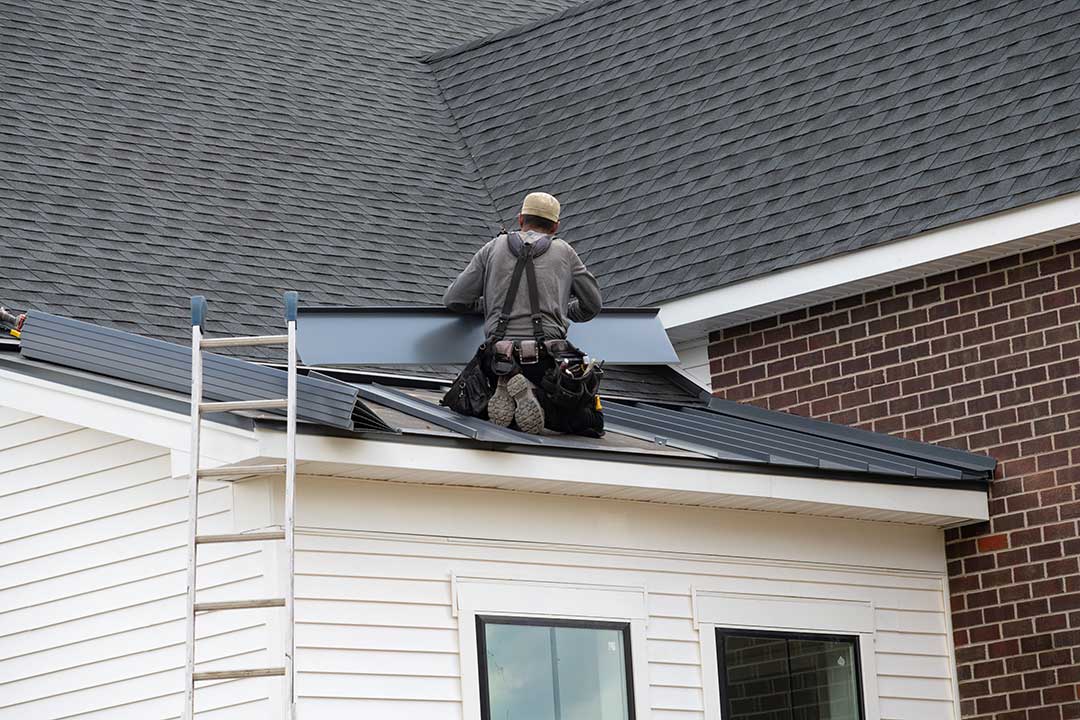
- Peeling or blistering paint beneath eaves
- Sagging or warped gutter lines
- Cracked, split, or missing boards along the roof edge
- Evidence of nesting birds or small animals in the attic
Occasional checks, especially after storms or seasonal changes, help catch small issues before they become major repairs. Homeowners in the area frequently overlook these subtle warning signs until extensive moisture damage becomes evident indoors.
What Are Common Misconceptions?
One misconception is that soffits and fascia are purely cosmetic. While they do give homes a finished look, their protective and structural functions are far more critical—especially with the broad temperature swings typical in the city.
Another mistaken belief is that any vented soffit will provide enough airflow. However, adequate attic ventilation depends on a combination of properly sized soffit vents, clear ridge or roof vents, and insulation that hasn’t blocked these pathways.
Some assume these components only matter for older homes. In reality, even newer houses in suburban neighborhoods can suffer from premature roof wear or unexpected leaks if the soffits and fascia are undersized, poorly ventilated, or installed incorrectly.
Repair, Maintenance, and Useful Local Tips
Painting or sealing wooden fascia boards is especially useful for local homeowners to prevent swelling and cracking during the wet seasons. Checking for blocked soffit vents is another task worth prioritizing, particularly after storms drop debris or leaves onto roofs and into gutters.
Regularly cleaning gutters—at least twice a year—also ensures water flows properly and does not back up under the fascia.
Residents with older homes might consider replacing original wood with more weather-resistant materials such as aluminum or vinyl, which hold up well against the varying local weather without as much regular maintenance.
Ensuring overall attic ventilation is balanced remains one of the most effective strategies for preventing ice dams and condensation problems during the harshest winter months in Fredonia.
