

Why Does Rain Sound So Loud on Some Roofs?
During heavy rainfall in Fredonia, NY, the sound of rain hitting a roof can range from a gentle patter to a noisy clatter that disrupts sleep or conversation. The main factors behind this noise are the type of roofing material, the roof's structure, and the home’s insulation. Metal roofs, found on many outbuildings and some homes in the community, tend to amplify rain sounds more than asphalt shingles or slate. Homes with minimal attic space or insulation may also notice increased noise, as there’s less material to absorb the impact.
How Does Roofing Material Affect Rain Noise?
Roofs made from different materials absorb and transmit sound differently. In general, denser and more layered materials help reduce noise from rain. For example:
- Asphalt shingles, common in the area, usually provide more dampening compared to metal panels.
- Slate and concrete tiles offer substantial mass and are among the quietest choices, but they're less common due to cost and weight.
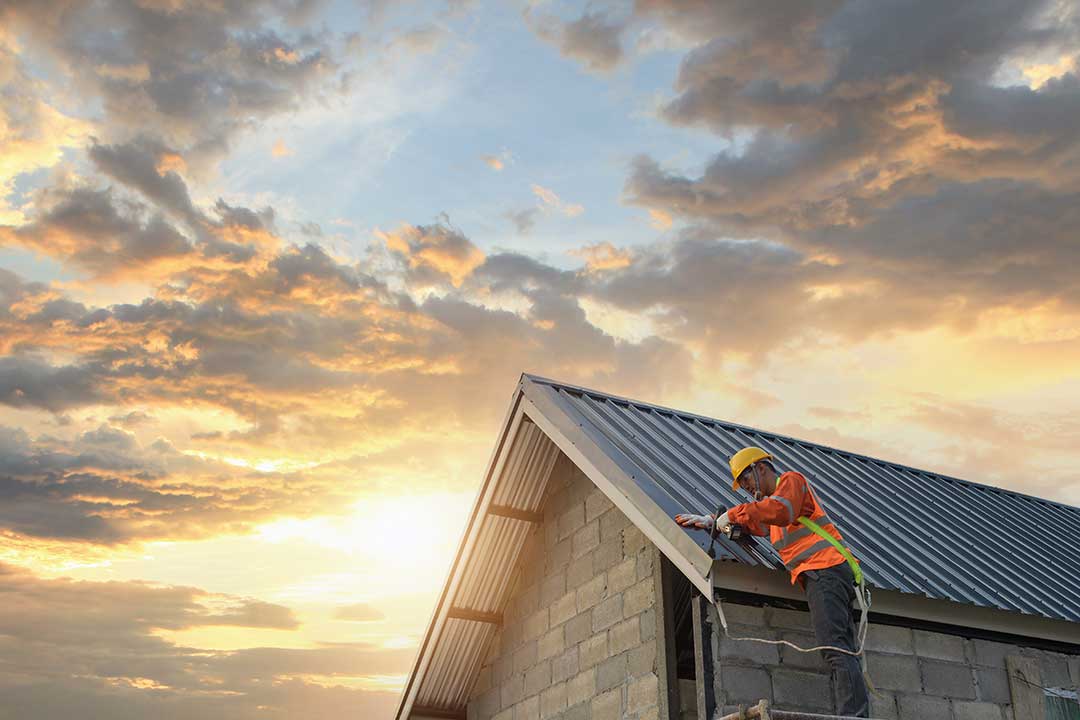
- Metal roofs stand out for their durability but are often the noisiest, especially if installed without underlayment or sound barriers.
It’s important to remember that changing roof material just to address noise is seldom practical or cost-effective. However, understanding your current roof type can help identify the best noise-reducing modifications.
What Can Be Done to Existing Roofs to Reduce Rain Noise?
Most Fredonia residents interested in lowering roof noise won’t be replacing their entire roof. There are several effective retrofitting options:
- Add or upgrade attic insulation. Increasing the insulation above ceilings is the most direct way to muffle rain noise. Fiberglass batts or blown-in cellulose insulation both absorb sound well.
- Install a sound-absorbing underlayment. Some roofing systems allow for the addition of specialized membranes between the roof deck and the roofing material, which can be installed during roof replacement or larger repairs.
- Include acoustic panels in attic spaces. If the attic is accessible and unused, attaching dense foam or acoustic boards to the rafters can reduce the transmission of rain sounds into living spaces.
Some residents mistakenly believe that adding more roofing layers always helps; in reality, the effectiveness depends on the types and combinations of materials used.
Are Certain Roof Shapes or Designs Quieter Than Others?
The slope and design of a roof play a significant role. Steeper roofs tend to shed rain more quickly, which can create a different—sometimes sharper—sound signature. Flatter roofs may hold water longer, leading to a slower but sometimes drumming noise as the rain pools. Additionally, open attics or vaulted ceilings without much insulation leave less buffer against outside noise.
If you’re planning an addition or renovation, consider how the pitch and attic structure will affect both drainage and sound.
What Role Does Local Climate Play in Rain Noise on Roofs?
Fredonia sees a mix of light, steady rain and intense downpours, especially during spring and late summer. The sound of rain hitting the roof can vary based on the size of raindrops, which change with storm intensity. Larger drops falling during storms, sometimes mixed with wind-driven rain, create more impact noise on hard surfaces.
Homes in areas surrounded by trees or with dense landscaping may notice slightly reduced rain noise, as foliage breaks up the force of falling water before it hits the roof.
Are There Simple Remedies for Renters or Those Not Renovating Soon?
Not everyone in the city owns their home or plans major upgrades. Some straightforward tricks can help soften rain sounds indoors:
- Use heavy curtains or rugs in upper-floor rooms to absorb echoes.
- Place bookshelves or upholstered furnishings against exterior walls to minimize sound transmission.
- Use white noise machines or fans during storms to help mask the sound of rain.
These small changes won’t silence the roof, but they can make a real difference in perceived noise levels inside.
Are Noise-Reducing Roof Coatings Effective?
Some manufacturers offer roof coatings that claim to reduce rain noise, often marketed for use on metal panels. These coatings are typically rubberized or elastomeric products designed to absorb some of the impact energy from raindrops. While they may make a modest improvement, the effect is not dramatic, especially on roofs already paired with hard underlayment or in homes without attic insulation.
Talk of miracle products should be taken with a degree of skepticism; most results come from combining layers—such as insulation, underlayment, and roof surface—rather than a single product.
When Should Safety or Local Regulations Guide Your Choices?
Any work that involves accessing the roof, removing panels, or working in the attic should be approached with caution. Residents are strongly encouraged to use proper safety equipment and follow local building codes. In Fredonia, building permits may be needed for major structural changes, including roof replacement or the addition of significant insulation.
Solutions that involve heavy materials—like slate or tile—must consider the weight limits of the existing structure. Structural evaluation is especially important in older homes typical of the area, which may have unique framing or existing wear.
