
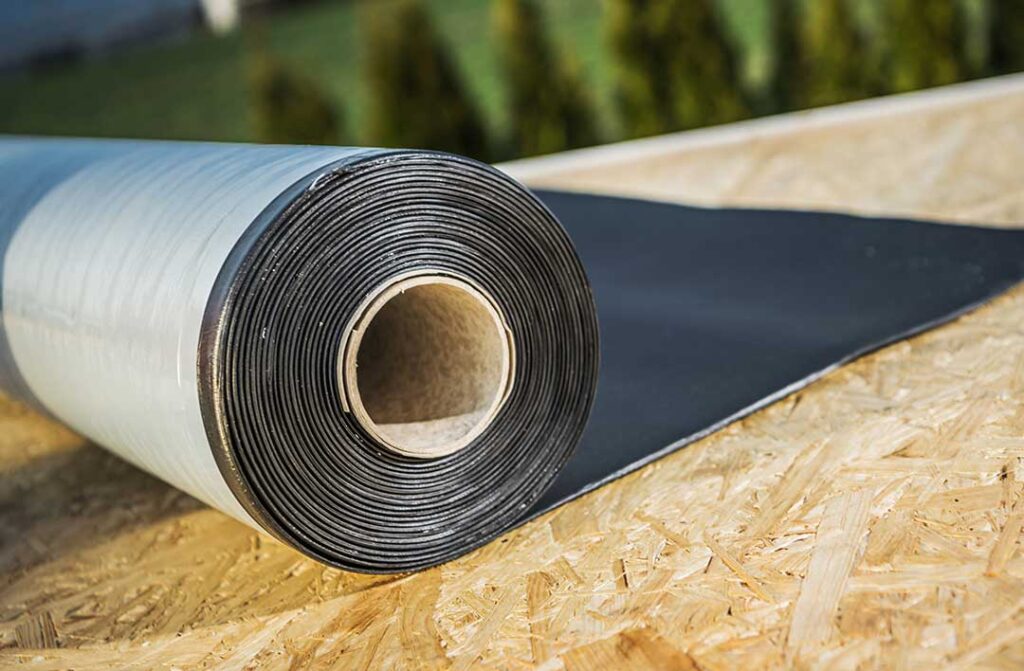
A cool roof is designed to reflect more sunlight and release absorbed heat more effectively than a conventional roof. Cool roof ratings help describe that performance, but the numbers do not tell the whole story—especially in a climate where homes experience warm summers, cold winters, snow, and frequent freeze-thaw cycles.
What does a cool roof rating measure?
A cool roof rating primarily describes two surface properties:
- Solar reflectance: The percentage of sunlight a roofing surface reflects rather than absorbs.
- Thermal emittance: How effectively the surface releases absorbed heat as infrared radiation.
A roof with high solar reflectance and high thermal emittance generally stays cooler in direct sunlight. The Cool Roof Rating Council, commonly called the CRRC, uses these measurements in its product rating program. ([coolroofs.org](https://coolroofs.org/resources/home-and-building-owners?utm_source=openai))
These values are usually shown as decimals. For example, a solar reflectance of 0.70 means the surface reflects approximately 70% of incoming solar energy. A thermal emittance of 0.90 means the surface is highly effective at releasing absorbed heat.
The ratings describe the roofing material’s surface performance—not the complete performance of the roof assembly. Attic ventilation, insulation, roof color, slope, shade, air leakage, and installation quality also affect indoor comfort and energy use.
What is the Solar Reflectance Index?
The Solar Reflectance Index, or SRI, combines solar reflectance and thermal emittance into one calculated number. It estimates how hot a surface becomes in the sun compared with reference black and white surfaces.
SRI values commonly range from 0 to 100, although unusual combinations of reflectance and emittance can produce values below 0 or above 100. Because SRI is calculated rather than directly measured, it should be read alongside the individual reflectance and emittance values. ([coolroofs.org](https://coolroofs.org/resources/home-and-building-owners?utm_source=openai))
For practical purposes:
- A higher SRI generally indicates a cooler surface under similar sun and weather conditions.
- SRI comparisons are most useful when comparing similar roofing materials.
- SRI does not measure durability, water resistance, wind performance, fire classification, or expected service life.
- A high SRI does not automatically mean a roof is appropriate for every home.
Two products can have similar SRI values but behave differently as they weather, collect dirt, or are exposed to shade and moisture.
Does a lighter roof always have a better rating?
No. Light-colored roofing often reflects more sunlight, but color alone does not determine performance. Modern roofing materials can use reflective pigments to produce darker colors with higher solar reflectance than traditional dark surfaces.
Thermal emittance also matters. A surface may reflect a substantial amount of sunlight but still remain relatively warm if it does not release absorbed heat efficiently. Conversely, a surface with high emittance may shed heat well but absorb more sunlight than a highly reflective product.
This is why a product label or technical data sheet is more useful than color names such as “white,” “gray,” or “cool gray.” The CRRC rating directory lists the measured properties used to calculate SRI, allowing comparisons based on performance rather than appearance. ([coolroofs.org](https://coolroofs.org/resources/home-and-building-owners?utm_source=openai))
Are cool roofs useful in Fredonia?
They can be, but the benefits depend heavily on the building and the season.
Cool roofs are generally most effective in hot, sunny climates, particularly on buildings with limited insulation and significant air-conditioning use. In colder climates, a highly reflective roof can reduce some solar heat gain during the heating season. That may create a modest heating penalty, although insulation and air sealing usually have a much larger effect on winter comfort and energy consumption. ([energystar.gov](https://www.energystar.gov/products/cool-roofs?utm_source=openai))
For homes in Fredonia, the decision should account for:
- The amount of summer air-conditioning use
- Attic insulation levels and ventilation
- Roof orientation and afternoon sun exposure
- Shade from trees or nearby structures
- The roof’s slope and material
- Snow cover, moisture, and seasonal dirt accumulation
- Whether the roof is being replaced for other reasons
A cool roof should not be treated as a substitute for adequate insulation. Insulation slows heat transfer in both directions, while reflectance mainly changes how much solar energy the roof surface absorbs. ([energy.gov](https://www.energy.gov/sites/prod/files/2013/10/f3/coolroofguide.pdf?utm_source=openai))
What should homeowners look for on a roofing product label?
A useful product label or specification sheet should identify the following:
- Initial solar reflectance
- Aged or weathered solar reflectance, when available
- Thermal emittance
- SRI, if provided
- The exact product, color, profile, and surface type tested
- Any limitations related to installation or maintenance
Aged reflectance can be particularly helpful because roofing surfaces may become less reflective as dust, pollen, biological growth, and general weathering accumulate. A rating for one color or product profile should not automatically be applied to another.
It is also worth checking whether the rating applies to the exposed roof surface. Underlayment, decking, attic insulation, and interior ceiling materials are not represented by the surface rating.
Do cool roof ratings indicate durability?
No. A rating is not a durability score.
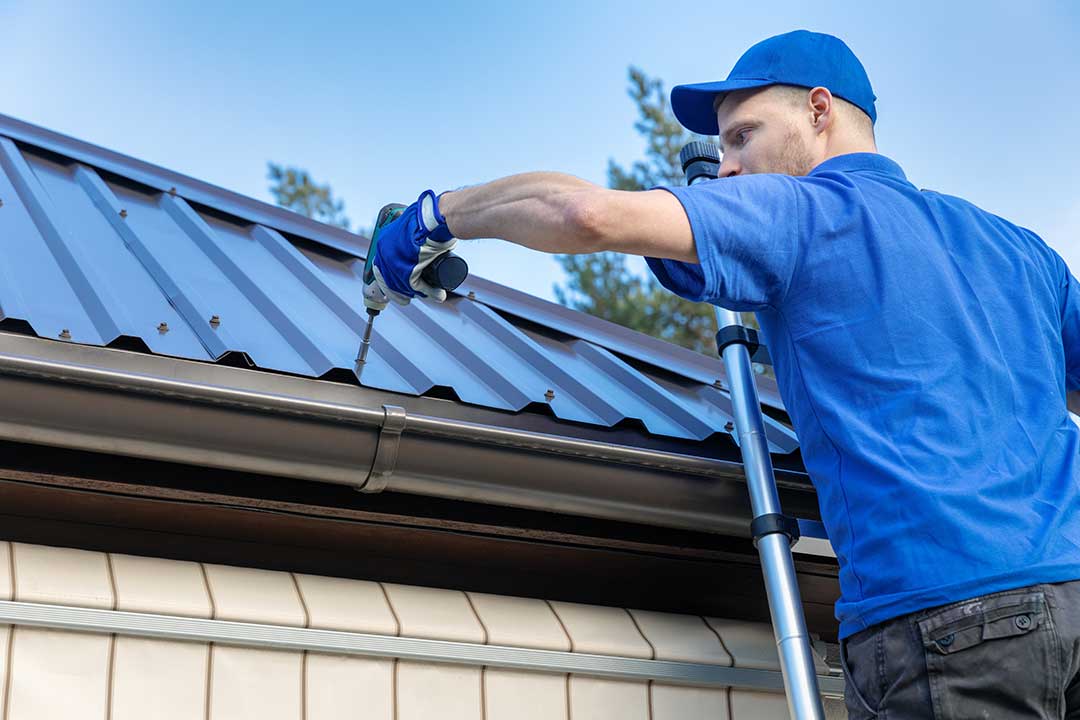
Cool roof ratings address radiative properties: how a surface reflects sunlight and emits heat. They do not establish how well a roof will resist:
- Wind uplift
- Hail or impact
- Ice and snow loading
- Moisture intrusion
- Foot traffic
- Ponding water on low-slope sections
- Freeze-thaw movement
- Algae or moss growth
- Installation defects
For a complete evaluation, homeowners must consider the roofing material’s manufacturer specifications, applicable building requirements, ventilation design, flashing details, drainage, and the condition of the roof structure.
In a snow-prone area, drainage and flashing details may matter more to long-term performance than a relatively small difference in SRI.
Can a cool roof reduce indoor temperatures?
It may reduce heat entering the attic or upper living areas during sunny weather, particularly when the roof has limited insulation or ventilation. The effect is usually more noticeable in spaces directly below the roof and during periods of strong sunlight.
The result will be less noticeable when:
- The attic is already well insulated
- The roof is heavily shaded
- Air conditioning maintains a stable indoor temperature
- The ceiling separates the living space from a ventilated attic
- The roof surface is covered by snow or debris
A cool roof can reduce solar heat gain, but it does not eliminate the need for proper attic insulation, air sealing, and ventilation.
Are cool roof ratings required for every roof?
Not necessarily. Requirements may vary by building type, roof design, local code provisions, and the specific project. A product may also be rated for informational comparison without being required for a particular residential roof.
ENERGY STAR’s former roofing certification program should not be confused with current CRRC product ratings. ENERGY STAR states that its cool roof product certification ended in June 2022, while the CRRC continues to provide roof product ratings based on solar reflectance and thermal emittance. ([coolroofs.org](https://coolroofs.org/resources/home-and-building-owners?utm_source=openai))
For any roof replacement or alteration, the applicable code requirements should be confirmed before materials are selected. Ratings are useful for comparing products, but code compliance involves more than surface reflectance.
What is the practical way to compare two roofing products?
Start by comparing products with the same general purpose and installation method. Then review:
1. Initial and aged solar reflectance
2. Thermal emittance
3. SRI
4. Material type and expected service conditions
5. Warranty limitations
6. Snow, ice, drainage, and ventilation considerations
7. Whether the product is appropriate for the roof’s slope
The most reflective product is not automatically the best choice for every home. In Fredonia, a balanced decision should consider summer heat control, winter heating conditions, roof durability, maintenance, and the performance of the entire roof system rather than relying on one rating number.
